LINDA HOFFMAN
When You Are No More
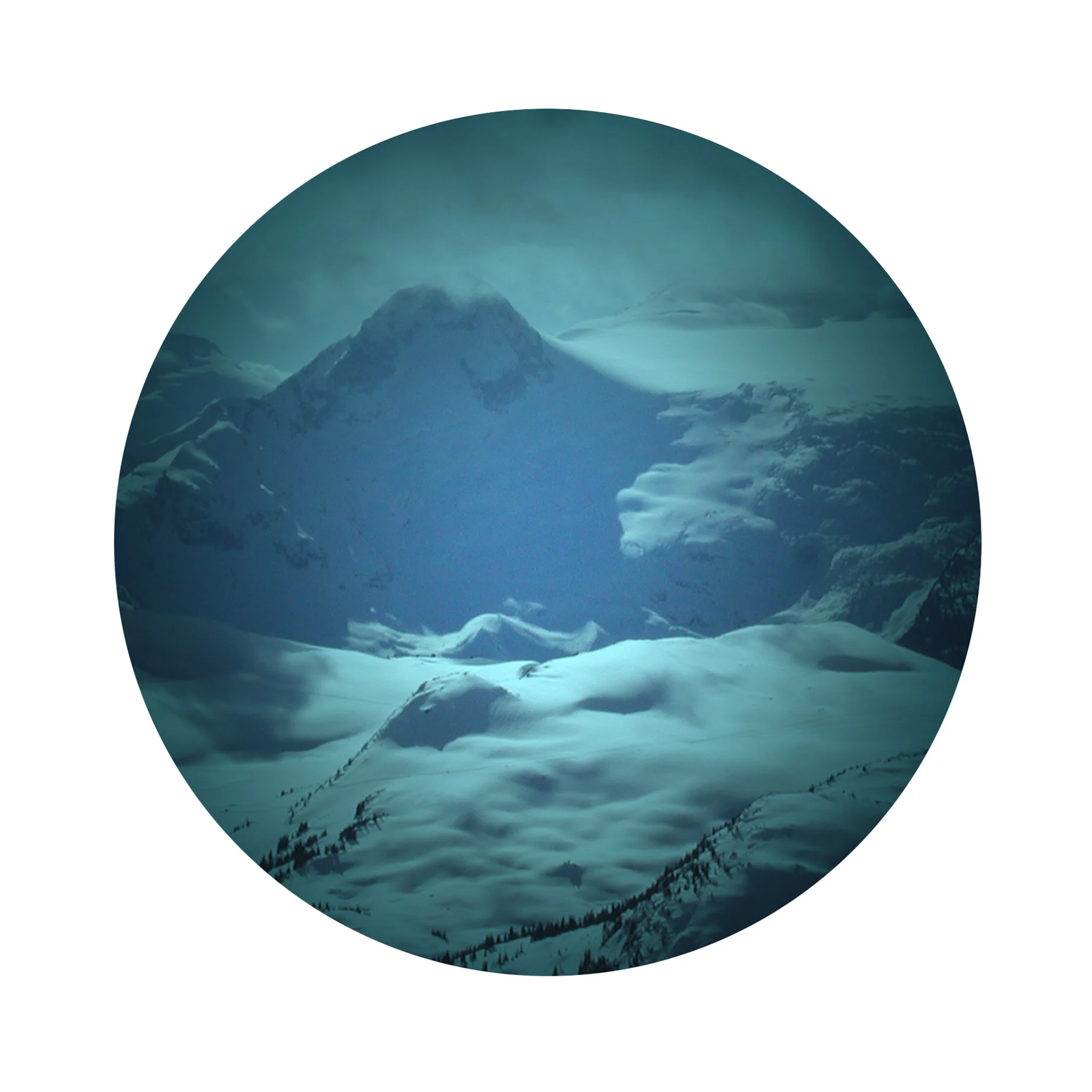
Snowy Morning, Photo:LH
When I read that the Norwegian poet, Olav Hauge (1908—1994), supported himself on sales from his small apple orchard, I immediately wanted to know more about him. I learned that his house was filled with wooden bowls, wooden utensils, wooden chairs, and poetry books from all over the world. Hauge taught himself French and English so he could read poets not translated into Norwegian, and translated Yeats, Holderlin, Rimbaud, and many other poets into Norwegian. Although there are several volumes of his poetry in English translation, he is rarely encountered.
I See You've Learned
I like
how you
use
few words,
few words and
short sentences
that drift
in a fine rain
down the page
with light and air
between.
I see you've learned
to make
a woodpile in the forest,
good to stack it
tall
so it can dry;
build one too long and low,
the wood will just sit there and rot.
—Tr. by Robert Hedin
We know Hauge has built many woodpiles. It’s not a poetic image he’s conjuring with pretty words, but motion after motion, his hand grabbing a log and placing it just so, to build a solid stack.
His bookshelves included my own favorite studio companions, the Chinese Taoist poets.
T’ao Ch’ien
If one day T’ao Ch’ien
came to visit me, I
would show him my cherry and apple trees,
and I’d prefer him to come in spring
when they’re in blossom. Then we’ll sit in the shade
with a glass of cider, perhaps I’ll show him
a poem — if I can find one he’d like.
The dragons that blaze across the sky trailing poison
and smoke
soared more quietly in his time, and more birds sang.
There’s nothing here he’d not understand.
More than ever he’d want to retire
to a little garden like this.
But I don’t know if he’d do so with a good conscience.
—Tr. Robin Fulton
The poet and translator, Robert Bly, wrote in his introduction to one of Hauge’s collections, The Dream We Carry,
If you have a tiny farm, you need to love poetry more than the farm. If you sell apples, you need to love poetry more than the apples. It’s good to settle down somewhere and love poetry more than either of them.
Bly understands something about the life of the farmer with a small farm or the orchardist with a small orchard. It’s not going to make you rich or even feed you well, but if you love its rhythms, its textures, tastes, and smells, its tough bark, and delicate blossoms, the punctuation of the songbird, and alliteration of the wind, you can be content. Poetry helps the farmer make it through the years of crop failures.
A simple life is not necessarily one without struggle and pain. Hauge had several stays in psychiatric hospitals and there is a knowing of darkness in his seemingly simple poems.
Let Me Be Like the Dung Beetle
Sorrow has settled over me
and weighs me down in a warm straw bed.
Let me at least move,
test my strength, lift this slab of sod —
let me be like the dung beetle
in spring when it digs itself out from the dung heap.
—Tr. Robert Bly and Robert Hedin
However, when he was 65, he married a Norwegian artist he met at one of his rare poetry readings and she brought cheer into his life. After Hauge’s death, his diaries were found and eventually published in five volumes.
In the days following the death of my friend, Sheila Carroll (1966—2016), I turned to the poetry of Hauge. I had sat vigil with her partner, Gabi White, and a few close friends as all air left Sheila’s body, as her hands turned ashen, as the early autumn night sounds came in the open window, and we knew she was not this body, but spirit transcending and becoming — wood pile, apple, dung beetle, loneliness, and beauty.
Conch
You build a house for your soul,
and wander proudly
in starlight
with the house on your back,
like a snail.
When danger is near,
you crawl inside
and are safe
behind your hard
shell.
And when you are no more,
the house will
live on,
a testament
to your soul’s beauty.
And the sea of your loneliness
will sing deep
inside.
—Tr. Robert Bly and Robert Hedin
Sheila often shared her passion for mountains, birds, and the deep woods with me. I miss this friendship and her ever present joy for the simple things that matter most. On a few occasions she helped me in the orchard, but on Sundays, she loved to share big pots of chili, watch her beloved Patriots, and then sit outdoors with close friends around a fire. We each leave a wake behind — our words, our wood pile, the gift of our struggles and passions, the cultivated row, ready for new seed.
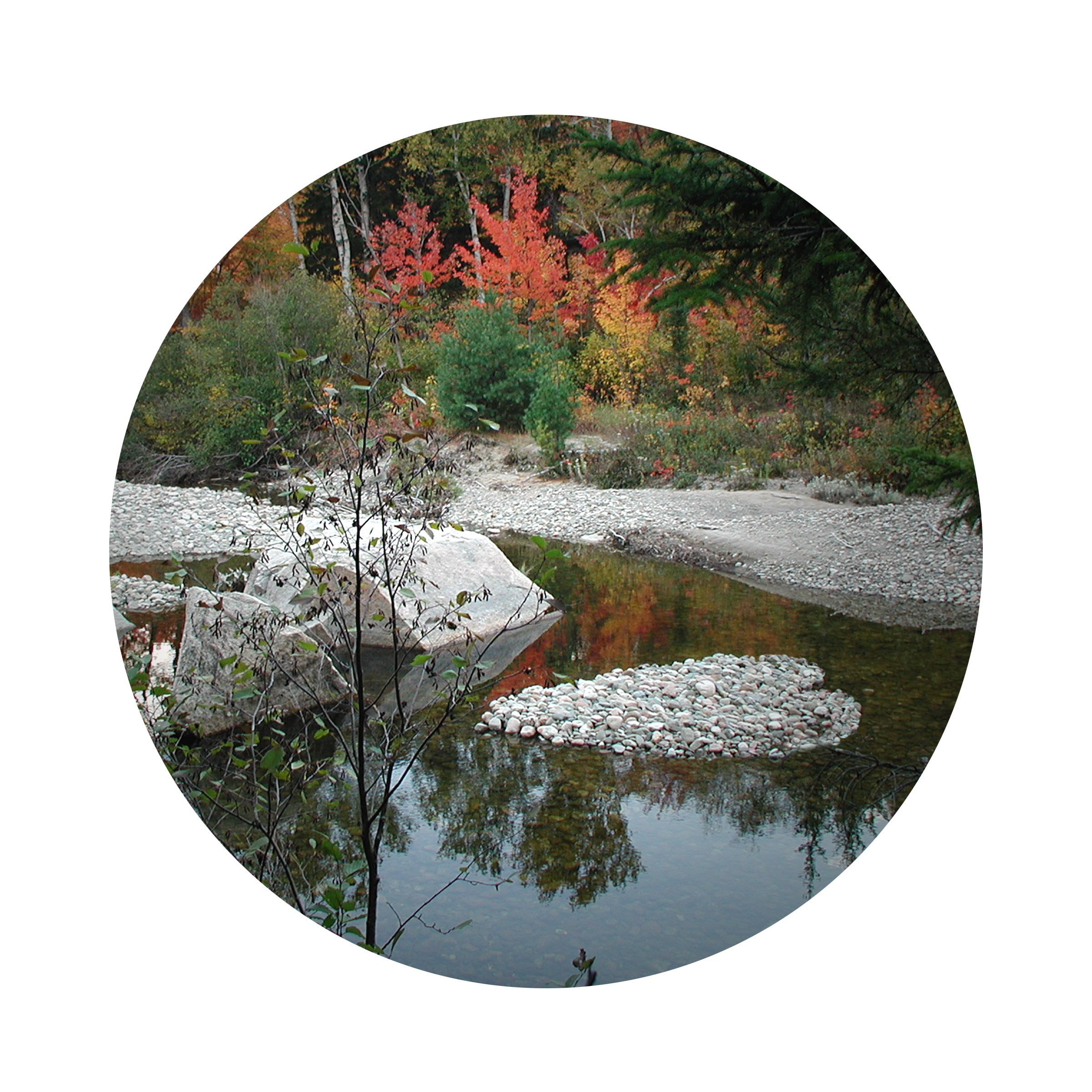
Stone Heart for Sheila, Photo:LH
Creation Rain
“The drought, now ‘extreme’ continues to plague Harvard and much of the state” is the headline this week in our local paper, the Harvard Press. Finally, after three months, we have rain — a long abiding rain. I check weather maps. It might clear for a few hours in the afternoon and I wonder if I should I keep the farm open today. But this lulling sound of rain, the drumming on the earth, soaks into my mind. I haven’t heard it for three months and I want it to continue.
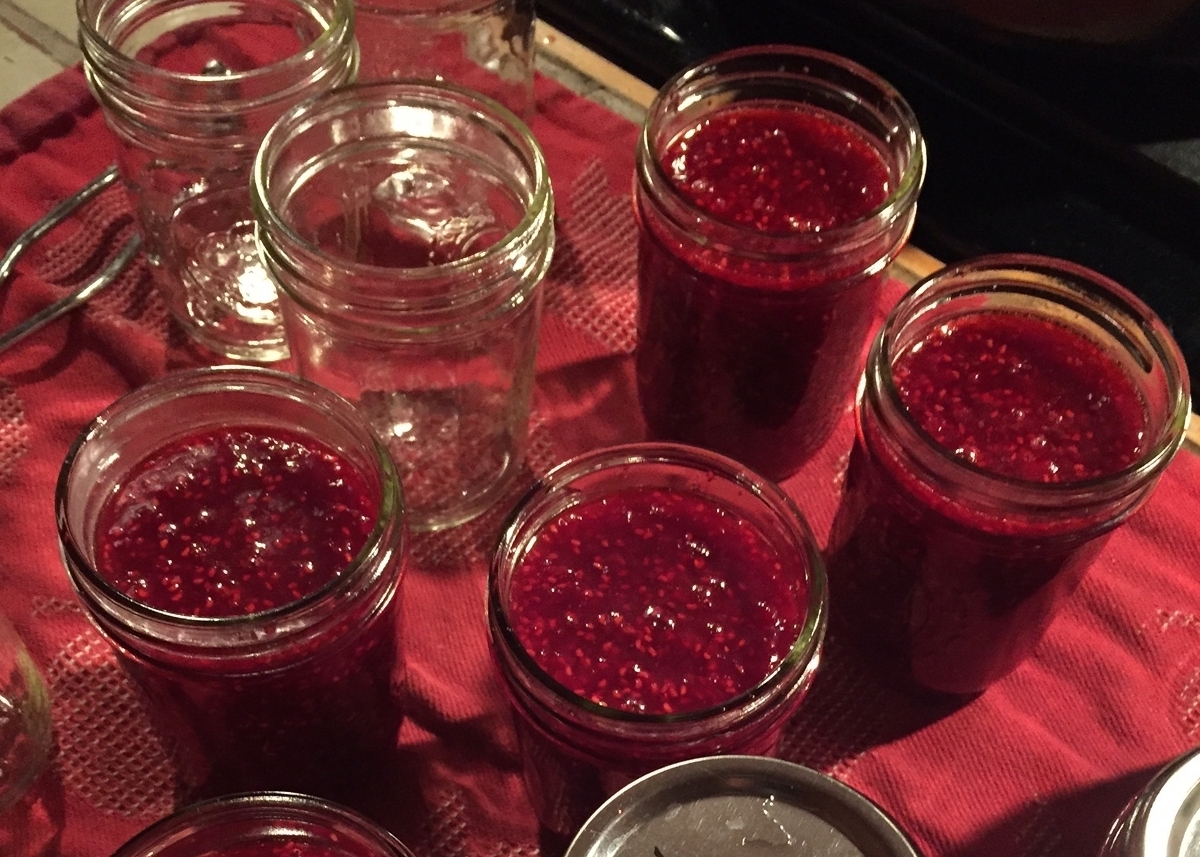
It always gets this way during the harvest season. I go for too long without pausing. Even in this year without apples, there’s harvesting and canning, raspberry picking and jamming, touring the sculpture exhibit and entering into conversation with visitors.
Alone time doesn’t happen, a time of calm abiding. Especially late in the season, I crave the sweetness of quiet. Calm abiding is the translation of the Sanskrit word, shamatha, a Buddhist meditation practice where we are just here, present, abiding, letting the peaceful true nature of our mind reveal itself. An often used metaphor is of a lake reflecting the mountains around it. When the water is calm, the mountains can be clearly seen as if the lake was a mirror. When our mind is agitated, the mountains appear unclear and misshapen; the mirror needs polishing. When I look into the lake, I don’t see misshapen mountains — I don’t even see their outline. I need this abiding rain to clear my mind.
The Buddha taught that our minds are agitated by the six senses – sight, hearing, touch, taste, smell, and consciousness. Our minds are stimulated by these sensory inputs like winds that tease the surface of water. When the mind is quiet, we see clearly. As we look into the calm lake we can see fish, a turtle swimming, even the weeds; the murkiness has settled to the bottom.
Tillico Lake
In this high place
it is as simple as this,
Leave everything you know behind.
Step toward the cold surface,
say the old prayer of rough love
and open both arms.
Those who come with empty hands
will stare into the lake astonished,
there, in the cold light
reflecting pure snow,
the true shape of your own face.
—David Whyte
We have one more full weekend for the farm. There will be African Drumming, a Watercolor Workshop in the orchard, the last of the red raspberries for the hunter and gatherers, and a guided tour of the sculpture exhibit. In our pond, eight hearts are floating, a Jubilation of Hearts, a sculpture I created with Gabrielle White. When the sun shines they reflect intensified colors of the rainbow, and under cloudy skies, the muted tones of the blue and green spectrum.

A Jubilation of Hearts, Linda Hoffman and Gabrielle White Photo:Bob Hesse
Barbara Andrus' suspended curly willow twigs dance in the wind almost touching the water below.
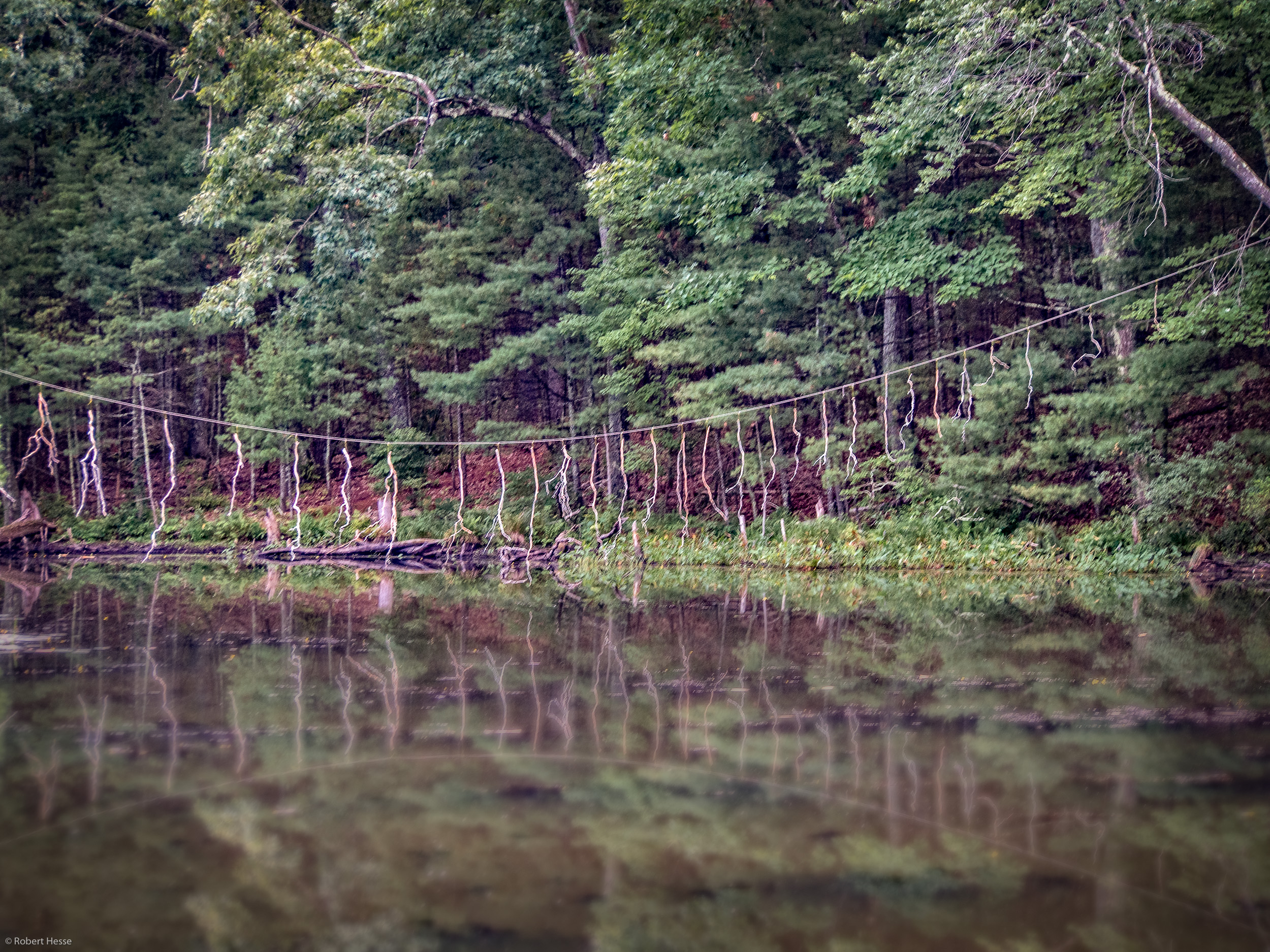
Branch Crossing, Barbara Andrus Photo: Bob Hesse
And Paul Matisse’s Olympic Bell installed in a grove of pine trees and wildflowers awaits visitors to pull the black braid of rope. Its deep reverberation fills the body; its deep note enters your heart. When it was first rung, a beaver swam over clearly curious about the sound waves in the water.
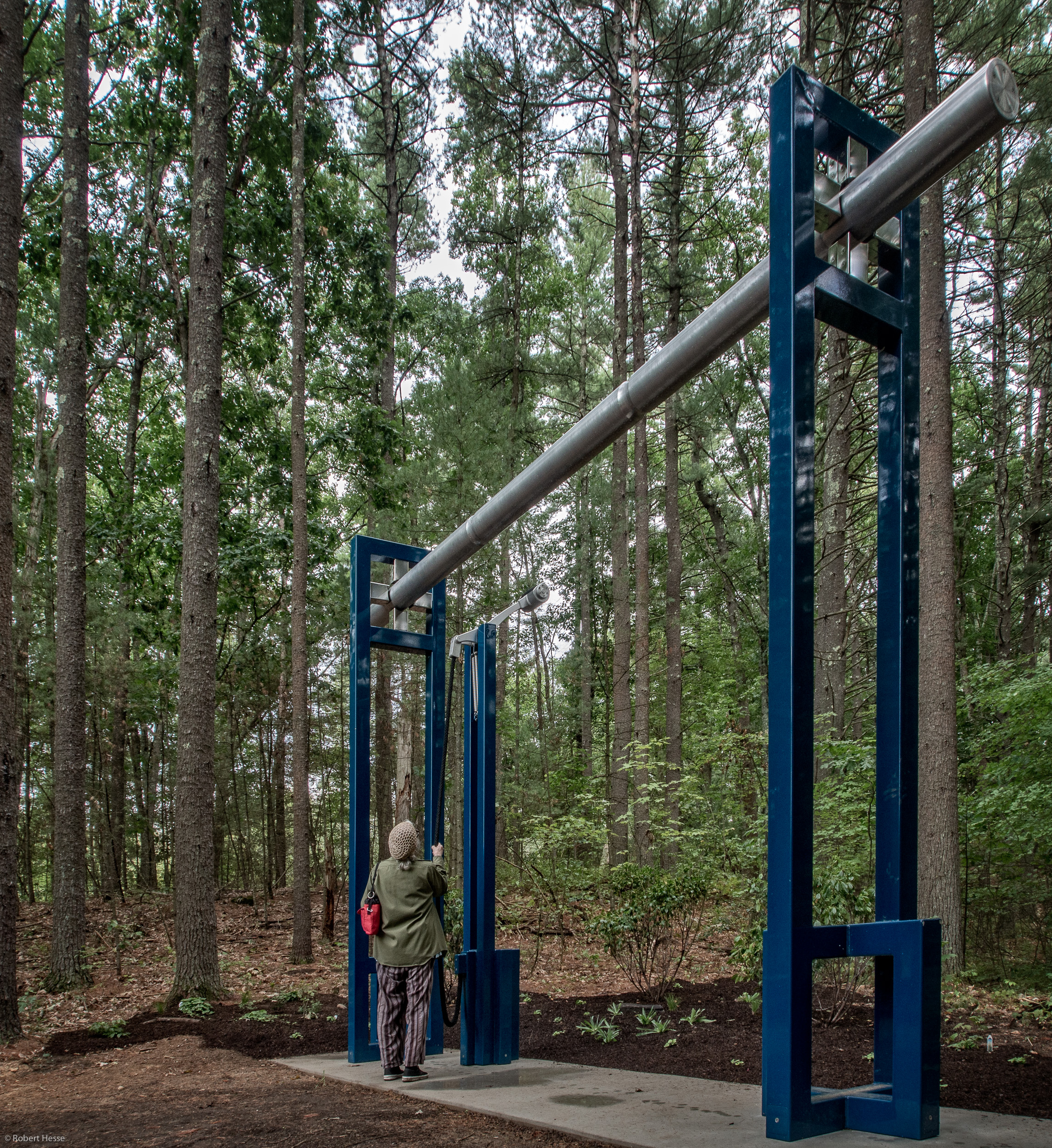
The Olympic Bell, Paul Matisse Photo: Bob Hesse
We all need to take a little time to listen to the drumming of rain, but it’s often hard to do this on our own. It’s hard to put down all the things we carry. I am grateful for this rain — for the thirsty plants and trees, for the parched earth, and for my own mind that needs this washing out.
Then, Bong.......ooonnngggg.......the beauty of this moment appears.
Breaking the Glass
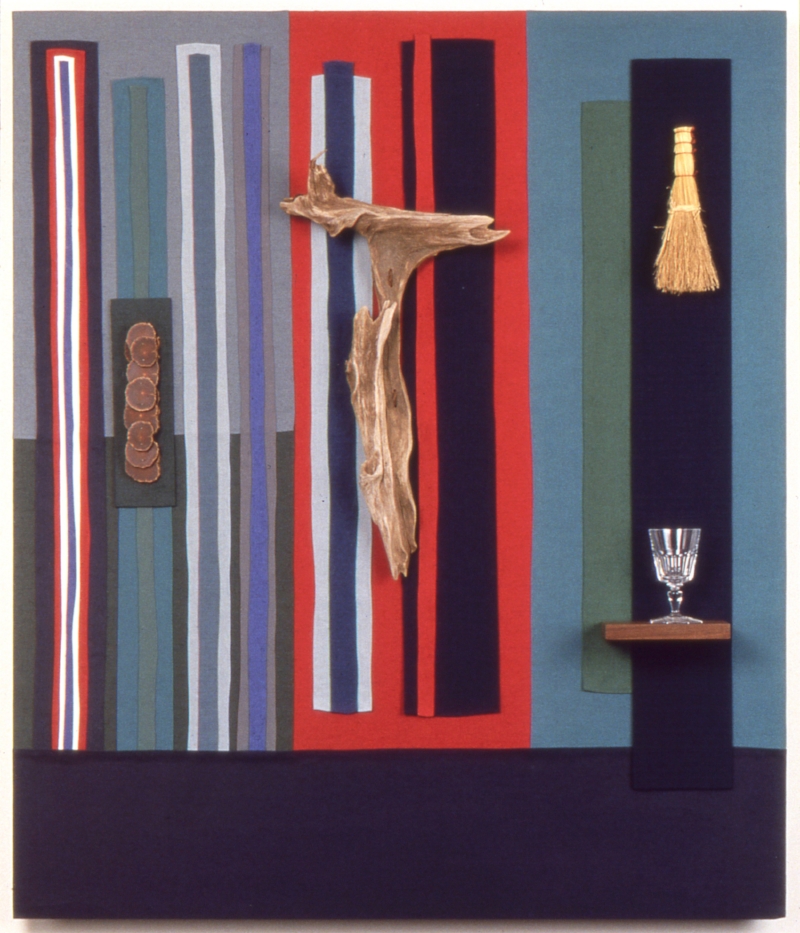
Let Us Decide
In 1992 I made this wall panel, Let Us Decide, with a crystal glass and the brush at the ready for any mishaps. I placed the glass there for its beauty and its fragility, but I never quite understood the richness of its meaning until recently when I began to think about the significance of breaking a glass, and its opposite, raising a glass.
I once purposely broke a glass. It was wanton destruction, a grand assertion, a scream, a proclamation of my conviction. It was an action that I chose because I didn’t know what else to do. I was standing in a noisy, packed bar, crowded with the fervor of Thank God it’s Friday. For those of you who know me, this is rare indeed. In Connecticut with my stepfather Bill, we were there to watch my daughter, Ariel, at a big dressage horse event, and I was telling Bill about this new man I was dating, and he wasn’t getting it. He thought I was making a mistake, that I should date more people, be loose, be free, find someone who was this way or that, but for me it nonnegotiable. I had made the decision.
I don’t typically get angry and raise my voice and shout. What could I do? Bill simply wouldn’t back down. So I moved my hand down to the stem of my glass of merlot wine, and with a deliberate gesture, I tipped it hard enough against the bar for it to break. The noise shocked, the wine spilled over the counter, and the glass shards lay in the spilled wine. The barman rushed over with a rag and assured me that it was all right. Everyone around continued their loud Friday revel. This action was my poem, my art. I had to show Bill that my decision was nonnegotiable.
A Jewish wedding is not complete until a glass is shattered and Mazel Tov resounds. Traditionally, it was the groom who raised his leather clad foot and lowered it solidly on the white cloth wrapped wine glass. It’s an odd custom. To break the glass, to be destructive, seems counterintuitive to the vows of life-long love and support. Of course the glass is a symbol of the fragility of human relationships, but in the Jewish weddings I have attended, the breaking of the glass resounds with celebration.
One explanation says that it refers to the destruction of the First Temple of Jerusalem, a more contemporary approach speaks of the breaking down of barriers between people, and another suggests that we are reminded that in this time of joy there is also pain and suffering. I even read a humorous account: That’s the last time the man will ever get to put his foot down. All of them sound like rationalizations.
I see the breaking of the glass at a Jewish wedding as the physical sign of the irrevocability of the decision to wed. It demonstrates the couple’s willingness to do something that is intentionally, and ridiculously, binding — get married, tie yourself to another person for life, do this thing that so many do, and yet, as we all know, is hard to do well. In breaking the glass, the couple says, “We’ve done it! It’s our foolishness, our fearlessness, and our great love for each other that has won over every other consideration.”
Last night, my oldest son, Alex, and his beautiful bride, Connie, celebrated their marriage. They didn’t break a glass, but we certainly raised many glasses to them. There is a poem/toast that I love by the poet Richard Wilbur. In the first line he refers to a story from the Bible. Mary and her son, Jesus, along with his disciples, were guests at Cana’s wedding feast. At one point, the host hurried up to her and said there is no more wine. How humiliating to run out of wine at a wedding! Mary who already knew that her son was going to work miracles went up to him and said, “They have run out of wine.” And he said, "What has this got to do with me, my time has not yet come.” But she told the servants to do as he asked. Jesus went outside to pray for a few minutes, then returned, and Mary saw the serene expression on his face. He had asked the servants to fill the large jugs with water.
St. John tells how, at Cana's wedding feast,
The water-pots poured wine in such amount
That by his sober count
There were a hundred gallons at the least.
It made no earthly sense, unless to show
How whatsoever love elects to bless
Brims to a sweet excess
That can without depletion overflow.
Which is to say that what love sees is true;
That this world's fullness is not made but found.
Life hungers to abound
And pour its plenty out for such as you.
Now, if your loves will lend an ear to mine,
I toast you both, good son and dear new daughter.
May you not lack for water,
And may that water smack of Cana's wine.
— Richard Wilbur

Whether we choose to break a glass or raise a glass, it’s the courage of commitment that we celebrate. Mazel Tov I say to Alex and Connie, and daughter, Vita.
And to bring this story full circle, two years ago, I married Blase, the man who was the trigger for my broken glass. My stepfather, Bill, raised his glass and made the first toast at our wedding.
String Art
Margot Stage’s voice is known to many listeners of Boston’s public radio station, WGBH. She was a producer and host there for twenty years, but these days she is devoting more of her time to her art. She is one of the artists exhibiting in the farm’s outdoor sculpture walk this year.
We had already chosen a site along the wooded high trail, before the day of her installation. Margot and her husband, David Crane, also an artist, arrived with thirty-some balls of looped twine, cloth, and rope in varying shades of natural, white, and grey, bursting out of three large garbage bags. I drove these up to her installation site in our red golf cart-like ‘mule,’ rolled the heavy bags out of the back, and went off to help her husband install his wood pyramid sculpture, Nubian.
Later, when I went back up to the high road to see how Margot’s installation was progressing, she had already finished. I walked among hanging orbs suspended on invisible strands of monofilament between the trees and across the path. I felt myself choking with emotion.
In 2011, I was diagnosed with breast cancer, and the year that followed was filled with surgery, chemo treatments, and radiation. When it was all over, I was tired, tired from my treatments, and tired of being tired. The canyon separating me from my artistic life seemed impossible to cross.
My studio is usually a bazaar of small bronze figures, wax figures, hammers, saws, power grinders, drills, found objects, wood, branches, stones, shells, wire, and fibers. The entire space is devoted to deconstruction and construction. Given my limited strength, I knew my choice of medium had to be simple. I wasn’t going to use power tools or carve wood. I chose string.
Without much forethought, I grabbed a ball of thick twine and began to make loose loops. Following a quiet rhythm, I made a knotted loop every ten inches or so. A large pile of looped twine accumulated at my feet. When the ball was finished, I picked up the mass by gathering a few of the loops together and hung it up from the ceiling. The collected twine hung down, while the loops projected out chaotically in all directions. It was a sculpture, a hanging field of texture and energy.
Intrigued, the next day I picked up another ball of twine, this one solid black. I looped for most of the afternoon, and then hung up the pile again. This one was smaller and felt very different—the black was ominous. While I was looping, there was no sense of accomplishment: nothing complicated, no self-expression, no thoughts about the outcome. While doing this repetitive work I felt at peace and serene. My only rule was that I would finish the ball of rope or twine that I started, no matter its length, before taking another ball. The month passed, and the dangling masses of looped rope, twine, and yarn swayed like strange sea creatures from my ceiling. Some shapes were stiff and short, while others dangled almost to the floor.
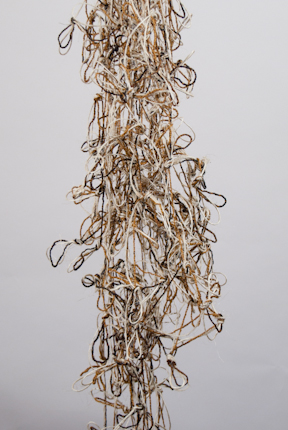
Detail of looped string
At that time, I was asked to propose a sculpture for a mill building that was being developed into condominium units, I asked Margot if she wanted to collaborate. “Wow,” she said in her deep radio voice, upon seeing the jungle of organisms filling my studio. We arranged to go to the mill together the following week. Thinking of the water source that fueled the mill, we came up with the idea for Source, a fifteen-foot free-hanging waterfall of looped ropes.
We used much of my looped material and ordered more. Then, each on our own, we looped quantities of string and rope. We met at the farm and began tying all these ropes together, cascading them from a second level porch. We used the thicker ropes at the top and added in smaller diameter ropes to echo the natural fall of water.
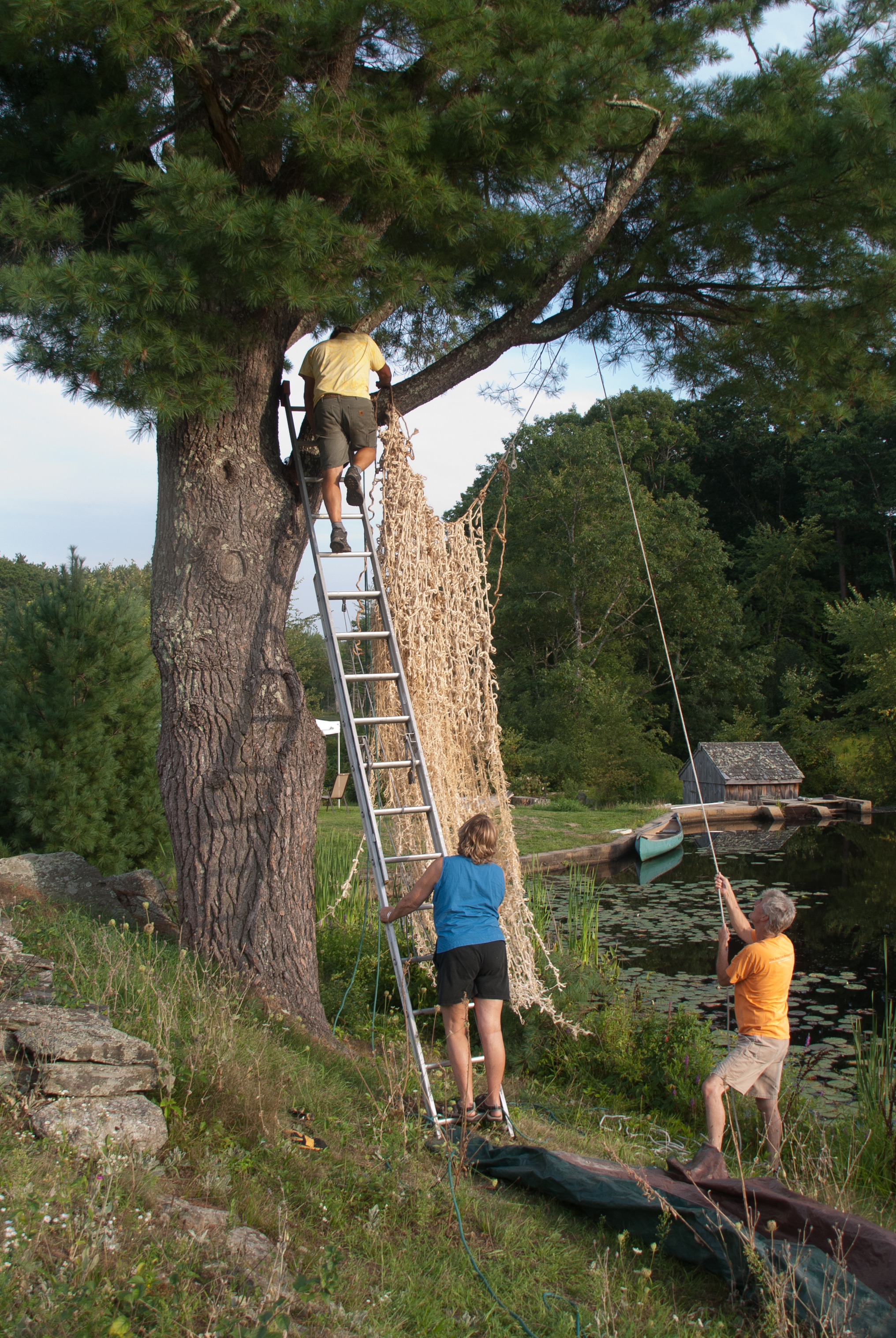
Installing Source with Margot, David Crane, & Blase Provitola in the tree.
We didn’t get that commission; the developer decided against any art. Instead, we exhibited Source at Old Frog Pond Farm’s annual sculpture walk in 2012. But Margot and I decided we loved working together. We received a commission to make a waterfall that cascaded several stories over a central staircase for the Arsenal for the Arts, an art complex in Watertown. The Source material went into Waterfall, which then traveled to Cape Cod for an exhibition on the Provincetown dunes. When that exhibit was over, all the knotted ropes went into storage under my studio.
This past spring, Margot called with a question: “Linda, would you mind if I used the bagged rope and string material?” She had an idea for a new sculpture. I said, “Go ahead! It’s yours.” With this old looped string from our previous collaboration, Margot made a piece for the Art Ramble in Concord, Black Lives Matter. Then, as she was cleaning up from that project, she started winding the remaining string into balls just like a knitter does with loose yarn. These balls, became Orbs, Margot’s installation for the 2016 sculpture exhibit—the piece I was so moved by. Recognizing the material in many of the orbs as being the original looped string, I yelled, “Margot,” as I saw her walking towards her husband’s wooden pyramid below. “Wait for me!”
I rushed down to meet her. “I got so emotional seeing your piece,” I said. And we hugged.
Working in my studio after my cancer treatments had been the beginning of my creative spirit’s recovery. Margot’s new iteration with string, Orbs, reminded me again of the healing power of both art and collaboration. Come to the farm on weekends, now through Columbus Day, 11-5 pm, and let the art touch your emotions. Or join Margot and me on Saturday, October 1 at 2pm when we lead a guided tour of the exhibit.

Orbs, Margot Stage
Search Blog
-
2025
- May 9, 2025 A View from the Tractor Seat
- Apr 11, 2025 Dig
-
2024
- Jan 7, 2024 Winter Wassail
-
2022
- Dec 11, 2022 Keeping Time
- Jun 17, 2022 This Apple-Shaped Earth
- Jan 23, 2022 What is a Jizo?
- Jan 16, 2022 An Invite and Housekeeping Update
- Jan 1, 2022 The Year of the Frog: What Orchardists Do While Apple Trees are Chilling
-
2021
- Oct 24, 2021 Figs
- Oct 3, 2021 The Artist and the Orchard: A Memoir
- Aug 8, 2021 Red-Fleshed Apples
- Jul 25, 2021 When We Were Trees
- Jun 27, 2021 Castor Beans—Who Knew?
- Jun 13, 2021 Spring Training at a Zen Monastery
- May 4, 2021 Our Trees are in Bloom
- Apr 18, 2021 Hooray!
- Jan 24, 2021 Wassailing, virtually!
- Jan 1, 2021 Sitting
-
2020
- Dec 21, 2020 Darkness to Light
- Nov 28, 2020 One Heart
- Sep 18, 2020 Juggling Flowers, Fruit, and Vegetables
- Aug 23, 2020 Refuge
- Aug 9, 2020 Bags of Fertilizer
- Aug 2, 2020 The Sermon of the Blue Heron
- Jul 26, 2020 What's the Buzz?
- Jul 19, 2020 Farm Moments
- Jul 12, 2020 Lost Wax
- Jul 5, 2020 Catalpa: The Hugging Tree
- Jun 28, 2020 Pedaling Peace
- Jun 21, 2020 See Change
- Jun 14, 2020 Lalla Unveiled
- Jun 7, 2020 Pond Alchemy
- May 31, 2020 The Birth of Fruit
- May 24, 2020 An Artist in the Orchard
- May 17, 2020 Walking the Land: Returning Home
- May 10, 2020 Stinging Nettles: Gifts from the Great Mother
- May 3, 2020 The Mystery of Swallow
- Apr 26, 2020 Aerial Bruststrokes
- Apr 19, 2020 Simple Pleasures
- Apr 12, 2020 Weeds and Other Gifts
- Apr 5, 2020 Remembering the Seeds
- Mar 29, 2020 Blow on the Embers
- Mar 22, 2020 Ripples
-
2019
- Nov 16, 2019 Tibet Impressions
- Nov 9, 2019 Forest Tales
- Oct 13, 2019 The Gift
- Aug 4, 2019 The Season is Apples, Berries, and Grandfather Fire
- Jun 8, 2019 Pointers for a Writing Life
- May 12, 2019 Mothers of the Earth
- Apr 6, 2019 The Apple-Shaped Earth
- Mar 23, 2019 You Don’t Know What You Have Till It’s Gone
- Feb 23, 2019 Generations
- Feb 9, 2019 What Are We Doing to the Earth, John Chapman?
-
2018
- Dec 31, 2018 Long Shadows
- Oct 6, 2018 A Pilgrimage to India
- Aug 18, 2018 Scrap Wrenn
- Aug 11, 2018 Off-the-Wall Comments from an Ignorant Farmer
- Jul 28, 2018 Creative Connect
- Jul 14, 2018 How is the Orchard?
- Jun 30, 2018 Which Way?
- Jun 16, 2018 Geese, Herons, Beavers, and the Baby Steps of a Lapsed Blogger
- Feb 24, 2018 Mama's Coupons — Good Forever
- Jan 27, 2018 January Ice
- Jan 13, 2018 The Muse
-
2017
- Dec 30, 2017 A Dream for the New Year
- Dec 23, 2017 A New Year for Apples
- Dec 16, 2017 Intuition
- Nov 22, 2017 Thanksgiving OM
- Nov 4, 2017 East Fork Pottery
- Oct 28, 2017 Putting Down New Roots
- Oct 21, 2017 A is for Art
- Oct 14, 2017 Eve domesticus
- Oct 7, 2017 A String Workshop
- Sep 30, 2017 After Applepicking
- Sep 23, 2017 Two Bad Women and One Good Apple
- Sep 16, 2017 Plein Air Poetry
- Sep 9, 2017 Cutting Off a Leg
- Sep 2, 2017 The Changing Landscape
- Aug 26, 2017 All About Art
- Aug 19, 2017 My First Visit to the Farm
- Aug 12, 2017 The First Food
- Aug 5, 2017 A Teapot, a Woman, and maybe a Boat
- Jul 29, 2017 A Raspberry Dilemma
- Jul 22, 2017 Consider the Miracle
- Jul 15, 2017 Meeting Ekphrasis
- Jul 8, 2017 Ripening Fruit
- Jul 1, 2017 The Voice of The Caterpillar
- Jun 24, 2017 Goumi — An Unusual Fructus
- Jun 17, 2017 Concord, an American Bloomsbury
- Jun 10, 2017 The World Is Bonkers — Shall I Laugh or Cry?
- Jun 3, 2017 Bonkers, a Revolutionary Apple
- May 27, 2017 Guardians of the Swamp
- May 20, 2017 There are Mushrooms and There are Morels
- May 13, 2017 "What's in a Name?"
- May 6, 2017 Bloom Follows Pink: Orchard Pollination
- Apr 29, 2017 The Orchard Is at Pink
- Apr 22, 2017 Natural Farming — Part 2 (continuation from last Sunday's blog)
- Apr 15, 2017 Natural Farming — Part 1
- Apr 8, 2017 Boats, Figures, and Catching Fish
- Apr 1, 2017 A Man with a Mission: The Nuts and Bolts of Bronze Casting
- Mar 25, 2017 A Chalice of Spirit, Art, and Nature
- Mar 18, 2017 Hanami — Blossom Viewing
- Mar 11, 2017 Soil Redemption Song
- Mar 4, 2017 Food is Primary Care
- Feb 25, 2017 Pomme de Terre
- Feb 18, 2017 Organic Certification
- Feb 11, 2017 Tantalizing Fruit
- Feb 4, 2017 The Myths of History
- Jan 28, 2017 The Orchard in Winter
- Jan 21, 2017 The Hi-Line
- Jan 14, 2017 Artistic, Botanical, and Social Diversity
- Jan 7, 2017 Where is Eden?
-
2016
- Dec 31, 2016 The Creative Heart
- Dec 24, 2016 A Christmas Tale
- Dec 17, 2016 Who are the Crones?
- Dec 10, 2016 The Olympic Bell (Part Two)
- Dec 3, 2016 Overheard in the Apple Orchard in Early December
- Nov 26, 2016 The Lessons of a Tortoise
- Nov 19, 2016 In the Studio
- Nov 12, 2016 Even in Darkness
- Nov 5, 2016 Southern Apples, an Elephant, Monkey, Rabbit, and Bird, Two Mango Trees and a Birthday
- Oct 29, 2016 The Tools of Art
- Oct 22, 2016 Labyrinths
- Oct 15, 2016 Repairing the Broken
- Oct 8, 2016 When You Are No More
- Oct 1, 2016 Creation Rain
- Sep 24, 2016 Breaking the Glass
- Sep 17, 2016 String Art
- Sep 10, 2016 Poetry and Photosynthesis: It's all in the Leaves
- Sep 3, 2016 In the Plenty of Time
- Aug 27, 2016 Witch Doctors
- Aug 20, 2016 Listen Coyote
- Aug 13, 2016 Milkweed in the Orchard
- Aug 6, 2016 Some People See a Turtle
- Jul 30, 2016 Arborshaping
- Jul 23, 2016 Joseph Wheelwright: Sculptor of Stones and Trees
- Jul 16, 2016 Asian Pears
- Jul 9, 2016 Gold Leaf, Grief, and the Creative Process
- Jul 2, 2016 The Olympic Bell (Part One)
- Jun 25, 2016 Around the Mulberry Bush
- Jun 18, 2016 Avoiding Apples
- Jun 11, 2016 Fructus
- Jun 4, 2016 Astonishing Apples
- May 28, 2016 Scare the Caterpillars
- May 21, 2016 Join the Club!
- May 14, 2016 The Graft
- May 7, 2016 Rooster, Rhubarb, Rue
- Apr 30, 2016 What do Dolphins and Nettles Have in Common?
- Apr 23, 2016 Art Prunings
- Apr 16, 2016 A Few of the First Arrivals
- Apr 9, 2016 Taste the Spirit of Sustainable Agriculture
- Apr 2, 2016 First Orchard Spray - March 22-24, 2016
- Mar 26, 2016 Hawkeye Apple
- Mar 19, 2016 Desiring the Almata Apple
- Mar 12, 2016 Ugly Fruit
- Mar 5, 2016 Winter Tracks
- Feb 27, 2016 Splash
- Feb 20, 2016 Pruning
- Feb 13, 2016 Orchard Ruminants
- Feb 6, 2016 A Gathering of Seeds
- Jan 30, 2016 Orchard Dragons
- Jan 23, 2016 Tree Rings
- Jan 17, 2016 The Fallen Tree
- Jan 7, 2016 Wassailing the Apple Trees
- Jan 1, 2016 The New Year